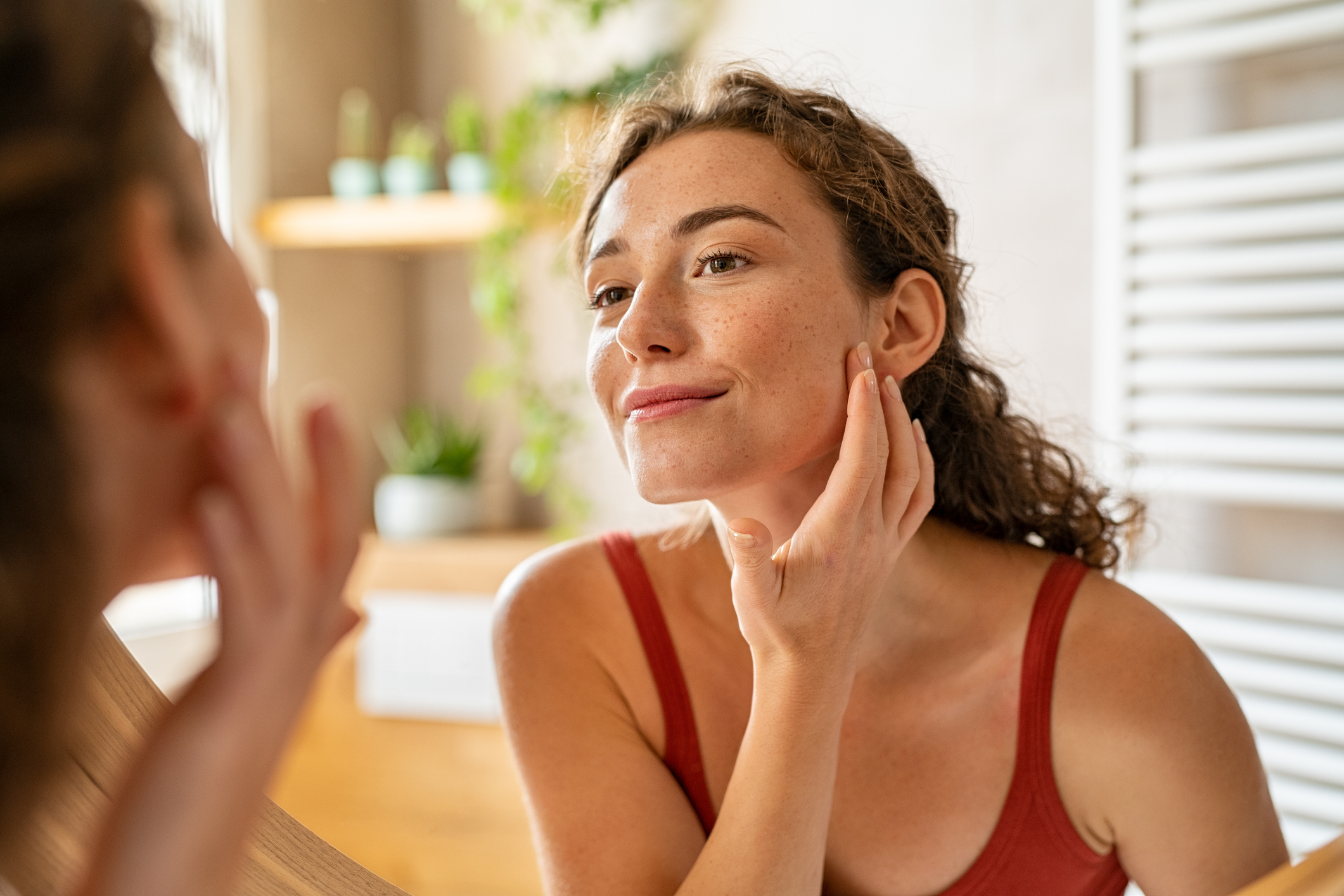
“Ozempic face” is a term that has gained attention online to describe facial volume loss or skin sagging that can occur during rapid weight loss.
Despite the name, this is not a direct side effect of semaglutide or GLP-1 medications. It reflects a normal physiological response to losing fat, especially when weight loss happens quickly.
When facial fat decreases, underlying bone structure and skin elasticity become more visible. In some individuals, this can create the appearance of hollowing, sagging, or more prominent lines.
Understanding why this happens — and how to support your skin during weight loss — makes the process far less alarming.
What is Ozempic Face and Why Does It Happen?
Facial volume comes from a combination of:
- Subcutaneous fat
- Collagen and elastin fibers
- Bone structure
- Muscle tone
When weight decreases, fat is lost throughout the body, including the face. The face does not “choose” to hold on to fat differently than the abdomen or thighs.
Rapid weight loss can make this change more noticeable. Studies examining body composition changes during weight reduction consistently show that fat loss occurs globally, not selectively.
This means facial fat reduction is a normal extension of overall body fat loss — not a medication-specific toxicity.
If you’re concerned about body composition changes more broadly, our article on GLP-1 muscle loss explains how lean mass and fat loss differ.
The Science Behind Ozempic Face and Skin Elasticity
Skin elasticity depends largely on collagen and elastin. Collagen production naturally declines with age, beginning as early as the mid-20s and decreasing more rapidly after 40.
When fat volume decreases, the skin must contract to adapt to the new contours. The speed of weight loss influences how effectively the skin adjusts.
Research shows that rapid weight loss is associated with greater skin laxity compared to gradual weight reduction. Age, genetics, hydration status, and baseline collagen density also influence how the skin responds.
Weight loss itself is not harmful to the skin. However, if the rate of fat loss outpaces collagen remodeling, visible sagging can occur.
Semaglutide does not directly damage collagen or elastin. The visible changes reflect changes in underlying fat volume.
If you’re interested in understanding broader “Semaglutide effects on skin” you can explore that topic in more detail here:
/semaglutide-side-effects-on-skin-what-to-know/
5 Tips for Preventing Ozempic Face While Losing Weight
Facial changes are not inevitable. Supporting muscle mass, collagen health, and gradual fat loss can make a significant difference.
1. Prioritize High-Quality Protein Intake
Protein provides amino acids necessary for collagen production and tissue repair.
During weight loss, adequate protein intake supports muscle preservation and overall structural integrity. If you need guidance, our article on the importance of protein intake while on semaglutide provides practical targets.
2. Focus on Hydration and Electrolytes
Dehydration can exaggerate the appearance of fine lines and skin laxity. Maintaining fluid intake supports skin turgor and elasticity.
Semaglutide can reduce appetite and sometimes thirst cues. Intentional hydration becomes important.
3. Incorporate Collagen-Boosting Nutrients
Vitamin C, zinc, copper, and adequate overall caloric intake support collagen synthesis.
Some research suggests collagen supplementation may modestly improve skin elasticity over time, particularly in aging populations. While supplements are not a substitute for nutrition, they may play a supportive role.
4. Slow Down Your Weight Loss Pace
The rate of weight loss influences skin adaptation. Gradual weight reduction allows collagen remodeling and tissue tightening to occur alongside fat loss.
If you’re interested in pacing strategies, exploring how to maximize semaglutide results with sustainable structure can help.
For some individuals, lower-dose approaches such as microdosing semaglutide may support a steadier progression.
5. Professional Skincare and Aesthetic Treatments
Dermatologic treatments such as radiofrequency therapy, microneedling, laser resurfacing, and injectable fillers can address skin laxity or volume loss if desired.
These options are elective and highly individualized. Facial changes are not inherently negative; some individuals appreciate sharper contours after weight loss.
Is Ozempic Face Permanent?
In many cases, skin appearance improves over time as weight stabilizes and collagen remodeling continues.
Research examining post-weight-loss skin changes shows that elasticity may partially recover, particularly in younger individuals and those who lose weight gradually.
Factors influencing recovery include:
- Age
- Total amount of weight lost
- Smoking history
- Sun exposure
- Nutritional status
Permanent changes are more common after very large or rapid weight loss.
Can Microdosing Help Prevent Facial Volume Loss?
Microdosing refers to using lower doses of semaglutide with slower titration.
Because the rate of weight loss influences how the skin adapts, slower progress may allow for more gradual tissue adjustment.
This does not eliminate facial fat loss, though it may reduce abrupt changes. For individuals exploring a slower approach, understanding what to expect after your first injection can help set realistic expectations.
Embracing Your Transformation Safely
“Ozempic face” is not a medical diagnosis. It describes a visible effect of fat loss that can occur with any significant weight reduction.
Semaglutide does not damage facial tissue. The visible changes reflect underlying shifts in fat distribution and skin elasticity.
Weight loss brings metabolic benefits, improved insulin sensitivity, and reduced cardiovascular risk for many individuals. Supporting muscle mass, protein intake, hydration, and gradual pacing helps protect structural integrity throughout the process.
At Enhance.MD, body composition, metabolic health, and sustainability remain the focus.
If you have questions about facial changes during GLP-1 treatment, our team can help you build a plan that aligns with both your health goals and aesthetic preferences.
Schedule a consultation to design a strategy that supports your full transformation.
References
Rittes PG. The effects of rapid weight loss on skin elasticity and body contour. Aesthetic Plastic Surgery.
https://pubmed.ncbi.nlm.nih.gov/19636417/
Krutmann J, et al. Collagen decline and skin aging: mechanisms and interventions. Journal of Dermatological Science.
https://pubmed.ncbi.nlm.nih.gov/25601552/
Hexsel D, et al. Skin laxity following significant weight loss: pathophysiology and management. Dermatologic Surgery.
https://pubmed.ncbi.nlm.nih.gov/22703885/